
Basal Cell Carcinoma (BCC)
Symptoms
Basal cell carcinoma often appears as a pearly or flesh-colored bump, commonly on sun-exposed areas like the face, ears, or neck. It may also present as a flat, scaly, reddish patch or a sore that doesn’t heal. Sometimes, BCC bleeds easily or forms a crust. Over time, the lesion can enlarge and become more noticeable. Some forms may have a rolled edge or visible blood vessels (telangiectasias). It typically grows slowly and rarely causes pain. While usually not life-threatening, delayed treatment can lead to significant local tissue damage. Recurrent BCCs may occur in the same area.
Cause
BCC arises from prolonged ultraviolet (UV) radiation exposure, primarily from sunlight or tanning beds. People with fair skin, light eyes, and a history of sunburns are at higher risk. Genetic factors and immune suppression (e.g., organ transplant recipients) may also contribute. It originates in the basal cells of the epidermis. Though it’s the most common type of skin cancer, it is rarely metastatic. However, neglect can lead to deep tissue invasion and disfigurement. Regular UV protection is crucial in prevention.
Treatment
Treatment depends on size, location, and subtype. Options include surgical excision, Mohs micrographic surgery, electrodessication and curettage (ED&C), or topical treatments like imiquimod or 5-fluorouracil. Radiation therapy may be used for non-surgical candidates. Mohs surgery is preferred for high-risk or facial lesions due to its precision. Cryotherapy or photodynamic therapy may be used for superficial cases. Regular skin exams are essential to detect recurrences or new lesions. Prevention includes daily sunscreen use and avoiding tanning beds.
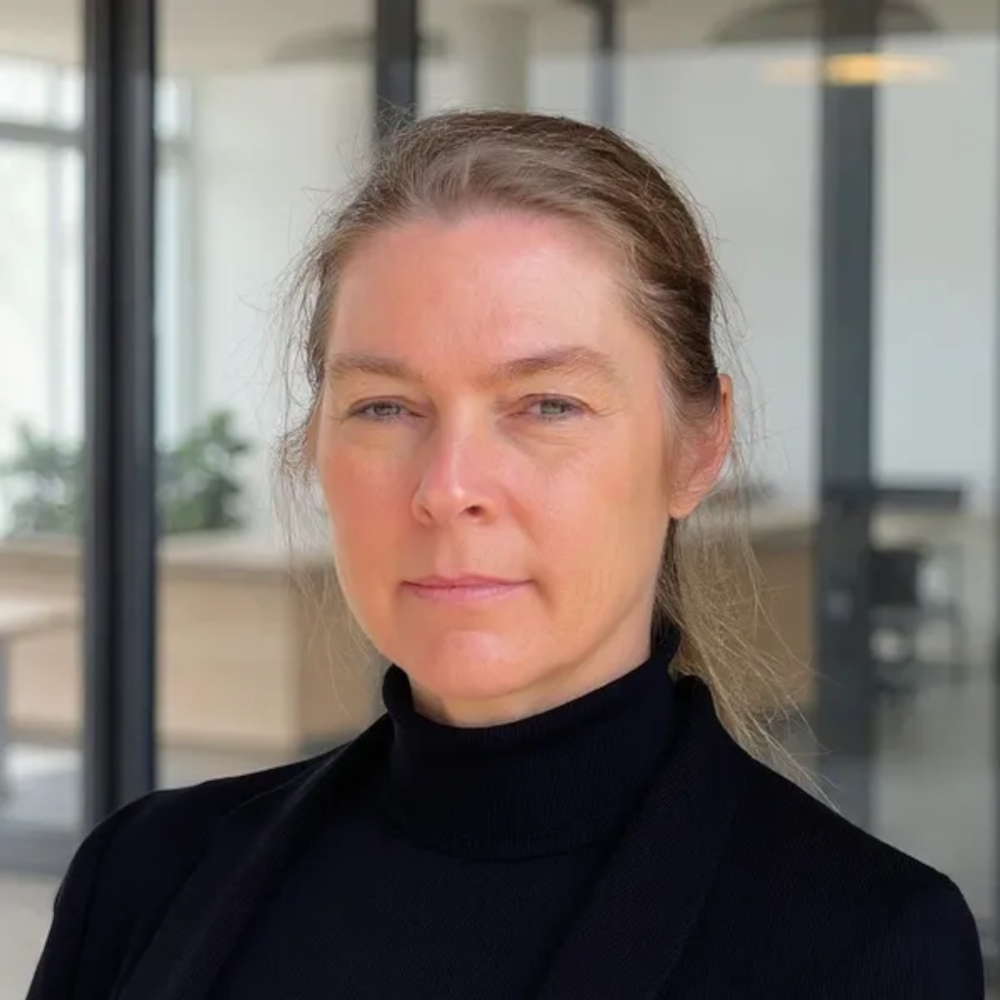
Dr. Beth Schulz-Butulis
Lorem ipsum dolor sit amet, consectetur adipiscing elit. Ut elit tellus, luctus nec ullamcorper mattis, pulvinar dapibus leo.